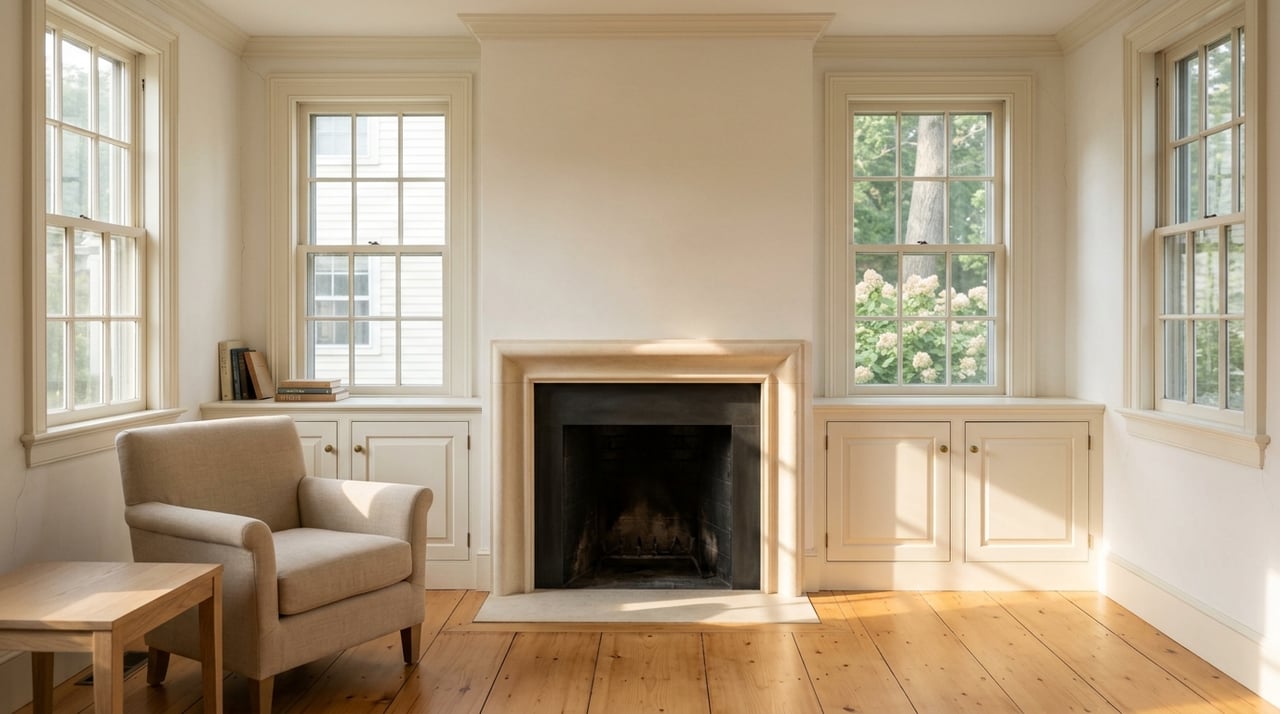
A historic home in Sag Harbor can be a dream purchase, but it also comes with a different set of rules than a typical village property. If you love the idea of original details, a walkable setting, and a home with real architectural character, you also need to understand how local review, maintenance, and renovation planning may shape your decision. The good news is that with the right due diligence, you can buy with more confidence and fewer surprises. Let’s dive in.
What Makes a Home Historic in Sag Harbor
Sag Harbor has one of the more active preservation frameworks you will find in a small village. Under village code, the local historic district is tied to the 1994 National Register documentation and includes about 870 contributing buildings, sites, or structures and 15 landmarks.
That distinction matters when you are buying. A property may be an individually designated landmark, or it may be a contributing building within the historic district, and that status helps determine when local historic review rules apply.
The landmark list includes well-known village properties such as the American Hotel, the Custom House, John Jermain Library, Whaler’s Church and Cemetery, and the Whaling Museum. For residential buyers, the key question is simpler: Is the house you want to buy a contributing building, a landmark, or outside the district altogether?
Why Historic Status Matters
Historic status can affect what you can change on the exterior of the home. In Sag Harbor, exterior alteration, restoration, construction, reconstruction, demolition, moving, and other material changes visible from adjacent streets or properties may require review by the Board of Historic Preservation and Architectural Review.
In practical terms, that means your renovation timeline, design choices, and carrying costs may look different from those of a non-historic property. It does not mean you cannot improve the home. It means you need to understand the process before you close.
Know the Certificate of Appropriateness Process
Before a building permit can be issued for covered work, a certificate of appropriiateness is required. The village states clearly that required board approvals must be in place before the Building Department issues a permit.
That is why one of the smartest early questions is whether any planned work will trigger this review. If you are thinking about new windows, exterior finishes, additions, roofline changes, landscape features, or demolition, you should expect a closer look.
What the Board May Review
The application process can be detailed. The village’s materials indicate that an application may include:
- Photos of the property
- Photos of adjacent properties
- Elevation drawings
- Tree or landscape information
- Material and design details
- Other documentation the board finds necessary
The village also notes that incomplete applications with insufficient design or material detail can be returned. Plans are not reviewed until the application is complete, so preparation matters.
When a Public Hearing May Be Required
A public hearing is required for demolition or removal affecting a landmark or a contributing building in the historic district. It is also required for buildings of 3,000 square feet or more.
For buyers considering a major redesign, teardown scenario, or substantial exterior work, that is an important timeline and planning issue to understand up front.
Pre-Application Meetings Can Help
The code encourages applicants to meet informally with the board before filing. For a buyer planning a serious renovation, that step can help you understand likely concerns before investing heavily in drawings and consultant work.
This can be especially valuable when you are balancing design goals with historic character, budget, and seasonal timing in Sag Harbor.
Interior Work May Be Different
Not every project needs board approval. The village code says applications involving only interior renovations generally do not need board referral or approval, except as otherwise provided in the code.
That said, buyers should be careful about assumptions. If your interior project affects an exterior element, touches a condition tied to landmark status, or triggers another local requirement, the review path may change.
What to Inspect Before You Buy
With a historic home, charm should never replace diligence. Beyond finishes and style, you want to understand how the house performs and whether past repairs were handled well.
The first inspection priorities are often the least glamorous ones. They are also the ones most likely to affect future costs.
Focus on Moisture and Drainage
Moisture is a major issue in older homes, and it deserves close attention in a coastal village like Sag Harbor. Key items to evaluate include:
- Roof condition
- Gutters and downspouts
- Site drainage
- Foundation performance
- Ventilation
- Signs of repeated water intrusion
- Quality of prior repairs
The village’s permit requirements also reflect how seriously drainage is treated. The Building Inspector requires a topographic survey showing site drainage and proposed drainage facilities as part of each building permit application.
Look Closely at Exterior Condition
Village code allows ordinary maintenance and repair that does not change design, material, color, or outward appearance. At the same time, owners may not allow a landmark or historic-district property to fall into disrepair in a way that harms district character.
If the board finds detrimental disrepair, it may direct the Building Inspector to issue a repair order specifying minimum repairs. For buyers, that means deferred maintenance is not just a cosmetic concern. It can become a regulatory and budget issue.
Ask About Lead and Asbestos
If the home is pre-1978, lead-based paint should be part of your due diligence. Buyers of most pre-1978 housing are entitled to disclosure before sale or lease, and renovation work that disturbs lead paint should be done by lead-safe certified contractors.
Older homes may also contain asbestos in materials such as old floor tile, ceiling tile, or pipe wrap. If materials are damaged or likely to be disturbed during renovation, sampling should be part of the planning conversation.
Check Flood and Overlay Districts
Because Sag Harbor is coastal, you should also ask whether the parcel is located in the Waterfront Overlay District or the Tidal Flood Hazard Overlay District. These local overlay districts can affect design, permitting, and resilience planning.
For buyers considering upgrades, resilience work should be planned carefully so it supports the home’s long-term performance while respecting historic character.
Budget for More Than the Purchase Price
Historic homes often require a more layered budget. In Sag Harbor, that can include village application fees, consultant-review escrow deposits, and added review costs for more complex projects.
The village fee code says professional consultant services such as engineering, planning, or environmental review may be billed to the applicant. The village may require an initial deposit, and review may be suspended if fees are not paid.
Complex Projects May Cost More to Review
For serious rehabilitation work, the board can require a Construction Protocol and Preservation Plan for contributing historic structures. That process prioritizes identification and retention of historic materials and seeks to minimize replacement.
The board may also require samples of exterior finishes and colors. If demolition is proposed due to structural instability or deterioration, it can require a technical report from an architect or engineer, including cost estimates for correction.
Ongoing Maintenance Belongs in Your Budget
Even if you are not planning a big renovation, historic ownership comes with steady maintenance obligations. A well-kept older home can be deeply rewarding, but buyers should plan for regular exterior care rather than waiting until issues become larger and more expensive.
This is especially important in a village where the code allows the local board to require minimum repairs when disrepair affects district character.
Tax Credits May Help, But Do Not Assume Eligibility
Historic-property tax relief exists, but it is limited and should be confirmed property by property. New York’s historic homeownership rehabilitation credit is 20% of qualified rehabilitation expenditures and requires at least $5,000 in qualified costs.
It is available only to owner-occupied historic homes that receive a Certificate of Completion, and location tests apply. Before you count on it, confirm that the specific parcel qualifies.
For income-producing historic properties, the federal Historic Preservation Tax Incentives program provides a 20% federal credit. New York also states that approved federal projects may be eligible for an additional 20% to 30% state credit.
Energy Upgrades Can Still Work
Owning a historic home does not mean giving up on comfort or efficiency. Preservation guidance notes that energy efficiency and historic preservation are not mutually exclusive when improvements are planned carefully.
Common strategies can include weatherization, air sealing, storm windows, and compatible insulation. The best approach is usually one that improves daily performance without stripping away the home’s historic fabric.
Smart Questions to Ask Before You Make an Offer
If you are serious about buying a historic home in Sag Harbor, your due diligence should go beyond a standard showing. Ask questions that reveal both opportunity and risk.
A strong starting list includes:
- Is the home a contributing building or an individually designated landmark?
- Has prior exterior work received a certificate of appropriateness?
- Are there any open board conditions, consultant fees, or stop-work issues?
- Will your planned project likely require a pre-application meeting?
- Could the board require a preservation plan or professional monitoring?
- What is the condition of the roof, drainage, foundation, and exterior envelope?
- Is lead or asbestos testing advisable before renovation?
- Is the parcel located in a waterfront or tidal flood overlay district?
- Does the property actually qualify for any historic tax credit you hope to use?
Why Local Guidance Matters
In a market like Sag Harbor, historic homes are rarely plug-and-play purchases. They can involve preservation review, drainage questions, construction planning, and budgeting choices that are very specific to the village.
That is why local knowledge matters so much. When you understand how a property fits within village rules before you buy, you are in a much better position to protect both your vision and your investment.
If you are considering a historic home in Sag Harbor and want experienced guidance on the village market, renovation questions, and the details that can shape a smooth purchase, contact Jane Babcook.
FAQs
What makes a home historic in Sag Harbor?
- In Sag Harbor, a home may be historically significant because it is an individually designated landmark or because it is a contributing building within the local historic district defined by the village code.
Does exterior work on a historic home in Sag Harbor need approval?
- Many exterior changes do. Covered work generally requires review by the Board of Historic Preservation and Architectural Review and a certificate of appropriateness before a building permit can be issued.
Do interior renovations in a Sag Harbor historic home need board approval?
- Interior-only renovations generally do not need board referral or approval under village code, but you should confirm whether your project affects exterior elements or other regulated conditions.
What should buyers inspect first in a Sag Harbor historic home?
- Buyers should focus on moisture, roof condition, gutters, downspouts, drainage, foundation performance, ventilation, and the condition of past repairs before planning cosmetic updates.
Are there tax credits for renovating a historic home in Sag Harbor?
- Possibly. New York offers a 20% historic homeownership rehabilitation credit for eligible owner-occupied properties that meet program requirements, and income-producing projects may qualify for additional federal and state credits.
Can you improve energy efficiency in a Sag Harbor historic home?
- Yes. Carefully planned upgrades such as air sealing, weatherization, storm windows, and compatible insulation can improve comfort and performance while preserving historic character.