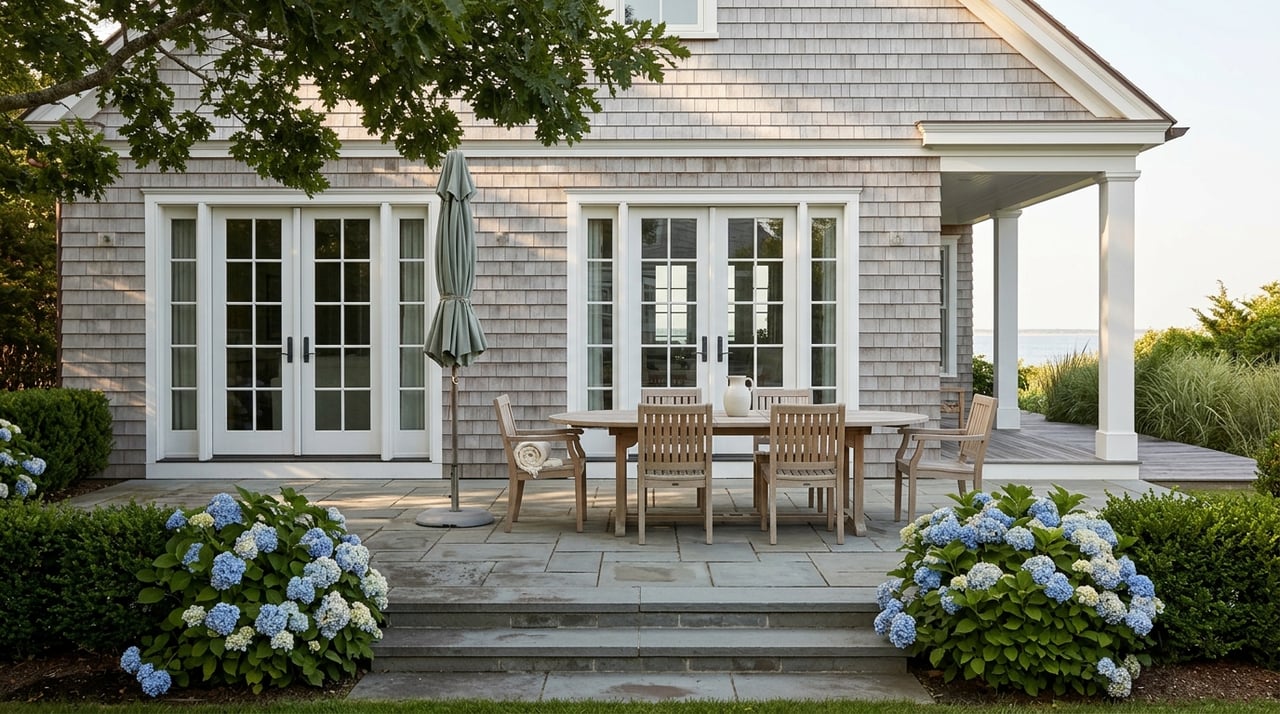
Are you torn between the energy of Sag Harbor Village and the calm of a waterfront setting? That choice can feel surprisingly personal here because both options offer access to the water, but they shape your daily life in very different ways. If you are weighing walkability, privacy, boating, and long-term ownership considerations, this guide will help you sort through the tradeoffs with a clear Sag Harbor lens. Let’s dive in.
Why this decision feels so local
Sag Harbor is not a one-note market. The village covers just 1.72 square miles and stretches across both the Town of Southampton and the Town of East Hampton, which gives it a compact footprint with a very distinct identity.
Village planning documents describe Sag Harbor as a historic port community where the character of the place shows up on Main Street, along the waterfront, and in nearby residential areas. Long Wharf anchors the north end of the commercial district, and the village has made clear that preserving its small-scale seaport character matters alongside public waterfront access and economic activity.
That mix is part of what makes this decision so nuanced. Sag Harbor Village can support both weekend use and year-round living, while nearby waterfront enclaves offer a more tucked-away atmosphere that feels separate from the village core.
Sag Harbor Village at a glance
If you picture yourself walking to coffee, dinner, the marina, or a quick errand, village living may feel like the more natural fit. The village’s harbor and planning materials emphasize how close marina facilities are to shops, restaurants, services, and public bus transportation.
The business district supports daily life in a practical way. Local planning documents describe a healthy commercial center with retail, offices, restaurants, and other services that contribute to the year-round economy.
That does not mean village living is sleepy or static. It means you are plugged into the rhythm of Sag Harbor, with easy access to the waterfront and Main Street rather than living at a greater remove from them.
What village living usually offers
For many buyers, the biggest advantage is convenience. You can have a water-oriented lifestyle without needing a private waterfront parcel.
Key village advantages include:
- Walkable access to shops, restaurants, and services
- Proximity to marina facilities and public transportation
- Public waterfront access points
- A setting that functions well for both seasonal and year-round use
- Easier connection to the daily activity of town
The village also manages parking in ways that reflect how active the core can be. In 2026, resident parking permits allow up to four hours in the municipal lots at 5 Bridge Street and 51 Meadow Street, plus all-day parking at Havens Beach.
Why village living appeals to boaters
One of Sag Harbor Village’s strongest lifestyle features is that boating access does not depend entirely on private ownership at the shoreline. The Harbormaster’s office offers seasonal and transient dockage and moorings, along with launch service.
Marina amenities include free pump-out service, electric power, heads and showers, and potable water in the mooring field. The harbor office also notes that fuel, ice, marine mechanics, restaurants, laundry, and shopping are within walking distance, with some local businesses delivering to vessels.
For a buyer who wants time on the water but also wants village life, that is a meaningful advantage. You may not need a dock in your backyard to enjoy a boating routine here.
Waterfront living at a glance
If your priority is privacy, beach access, and a quieter day-to-day setting, a waterfront enclave may be the better match. Local law describing Azurest, Sag Harbor Hills, and Ninevah Beach paints a very different picture from the village center.
These neighborhoods are characterized as calm waterfront areas with wooded surroundings, freestanding homes on larger lots, and a stronger sense of privacy and seclusion away from downtown traffic and commercial activity. They also offer beach access and a location along Sag Harbor Bay.
That difference is the heart of the decision. Village living gives you waterfront access plus town life, while waterfront enclaves give you a waterfront lifestyle plus more separation.
What waterfront living usually offers
For some buyers, the appeal is immediate. You get a more retreat-like atmosphere that feels removed from the commercial core.
Key waterfront advantages include:
- More privacy and seclusion
- Larger-lot character in certain enclaves
- Wooded surroundings in some areas
- Beach access in specific waterfront neighborhoods
- A quieter setting away from downtown activity
This kind of setting often works well if you want your home to feel like an escape first and a town address second. The tradeoff is that your routine may be less walkable and more dependent on driving.
What to know about waterfront rules
Waterfront ownership can bring more complexity than buyers expect. In the HBBC overlay district, local law is designed to conserve neighborhood character and scale.
That includes rules such as no sidewalk improvements on roads in the district and a prohibition on impervious driveways. For you as a buyer, that means renovations or expansion plans may require more careful review and planning than they would in a different setting.
A waterfront purchase is not just about the view. It is also about understanding how preservation goals, site conditions, and local regulations may shape what you can do over time.
Walkability versus privacy
This is often the simplest way to frame the choice. If you want to walk to dinner, browse the village, stop by the harbor, or stay close to the center of activity, Sag Harbor Village usually has the edge.
If you want a more peaceful setting with fewer reminders of downtown activity, a waterfront enclave may suit you better. The local descriptions of these areas make clear that they are intended to feel lower density, more secluded, and more connected to the shoreline landscape.
Neither option is better in every case. The right choice depends on how you want your everyday life to feel once you are here.
How public waterfront access fits in
A common misconception is that you need to own waterfront property to enjoy the water in Sag Harbor. That is not always true.
The village offers public waterfront access in meaningful ways, including marina facilities and Havens Beach, which the village identifies as its only public bathing beach. For buyers who want water access without the obligations of a fully waterfront parcel, that can be an important part of the decision.
The village is also studying stormwater and conveyance improvements at Havens Beach, which shows ongoing attention to this public asset. That matters if your lifestyle priorities include beach use and harbor access without necessarily buying directly on the shoreline.
Due diligence matters more on waterfront
If you are leaning toward waterfront, your early due diligence should be more detailed. Sag Harbor’s code includes a Tidal Flood Hazard Overlay District, and the local flood regulations note that Flood Insurance Study materials and maps are on file at Village Hall.
NYSDEC also notes that development in mapped Special Flood Hazard Areas is locally administered and typically requires a local floodplain development permit in addition to other approvals. In practical terms, you will want clarity on flood zone status, insurance implications, and permitting considerations before you commit.
That does not mean waterfront is a poor choice. It means the buying process should be more careful, especially if you are considering future improvements, additions, or site work.
Smart first questions for waterfront buyers
Before moving forward on a waterfront property, start with questions like these:
- Is the property in a mapped flood hazard area?
- What insurance considerations may apply?
- Will planned renovations require local floodplain or shoreline-related approvals?
- Are there overlay district or character-preservation rules that could affect design changes?
- How will the property’s setting shape maintenance and long-term planning?
These questions can help you compare two beautiful properties more realistically. A home that looks ideal on day one may carry more ownership complexity than a village property with public waterfront access nearby.
Which option fits your lifestyle best?
If your ideal Sag Harbor experience includes walking to restaurants, enjoying Main Street often, using marina services, and staying connected to the harbor and town center, village living may be the better fit. It offers a blend of convenience, public waterfront access, and boating support that is hard to replicate.
If your priority is privacy, a quieter atmosphere, beach access, and a stronger sense of retreat, a waterfront enclave may feel more aligned. You may give up some walkability, but gain more seclusion and a more residential shoreline setting.
In a market as nuanced as Sag Harbor, the best choice is rarely just about price or square footage. It is about how you want to live here, how often you want to be in the center of town, and how comfortable you are with the added layers that can come with coastal ownership.
With more than 30 years as a full-time Sag Harbor resident and deep experience with waterfront, zoning, environmental, title, and building issues, Jane Babcook can help you compare these options with the local insight they deserve.
FAQs
How walkable is Sag Harbor Village compared with a waterfront enclave?
- Sag Harbor Village offers walking access to shops, restaurants, marina services, and parts of the public waterfront, while waterfront enclaves are generally more secluded and less centered on a walkable daily routine.
How easy is boating if you live in Sag Harbor Village?
- Village boating access can be very convenient because the Harbormaster offers dockage, moorings, launch service, and marina amenities, all close to the commercial center.
What makes Sag Harbor waterfront living different in practical terms?
- Waterfront living often offers more privacy, wooded surroundings, and beach access in certain enclaves, but it can also involve more rules, more review for improvements, and closer attention to flood-related issues.
Do you need a waterfront property to enjoy the water in Sag Harbor?
- No. Village amenities such as marina access and Havens Beach can support a water-focused lifestyle without requiring you to own a fully waterfront parcel.
What should you check first before buying a waterfront home in Sag Harbor?
- Start by confirming flood zone status, insurance implications, and whether future work may require local floodplain or shoreline-related permits or approvals.